Enquire Now
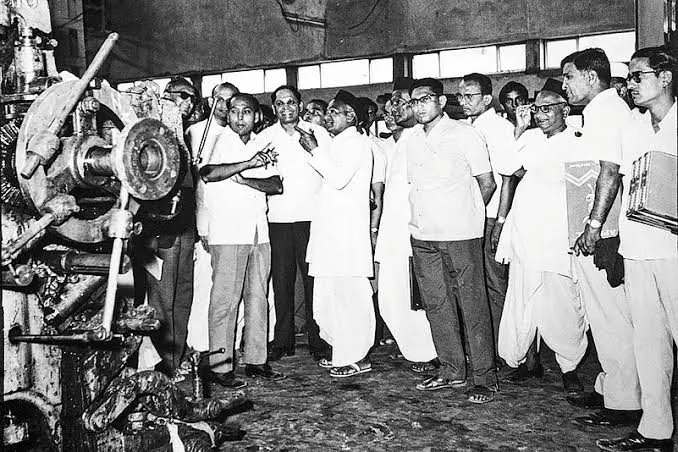
Archival photograph of a mill visit

Our History

A legacy woven
since 1886.

From a single textile trading venture in Gujarat to a diversified conglomerate serving millions of Indians - 140 years of milestones, eras, and the people who shaped Mafatlal Industries.

Foundations

1905 – 1930s
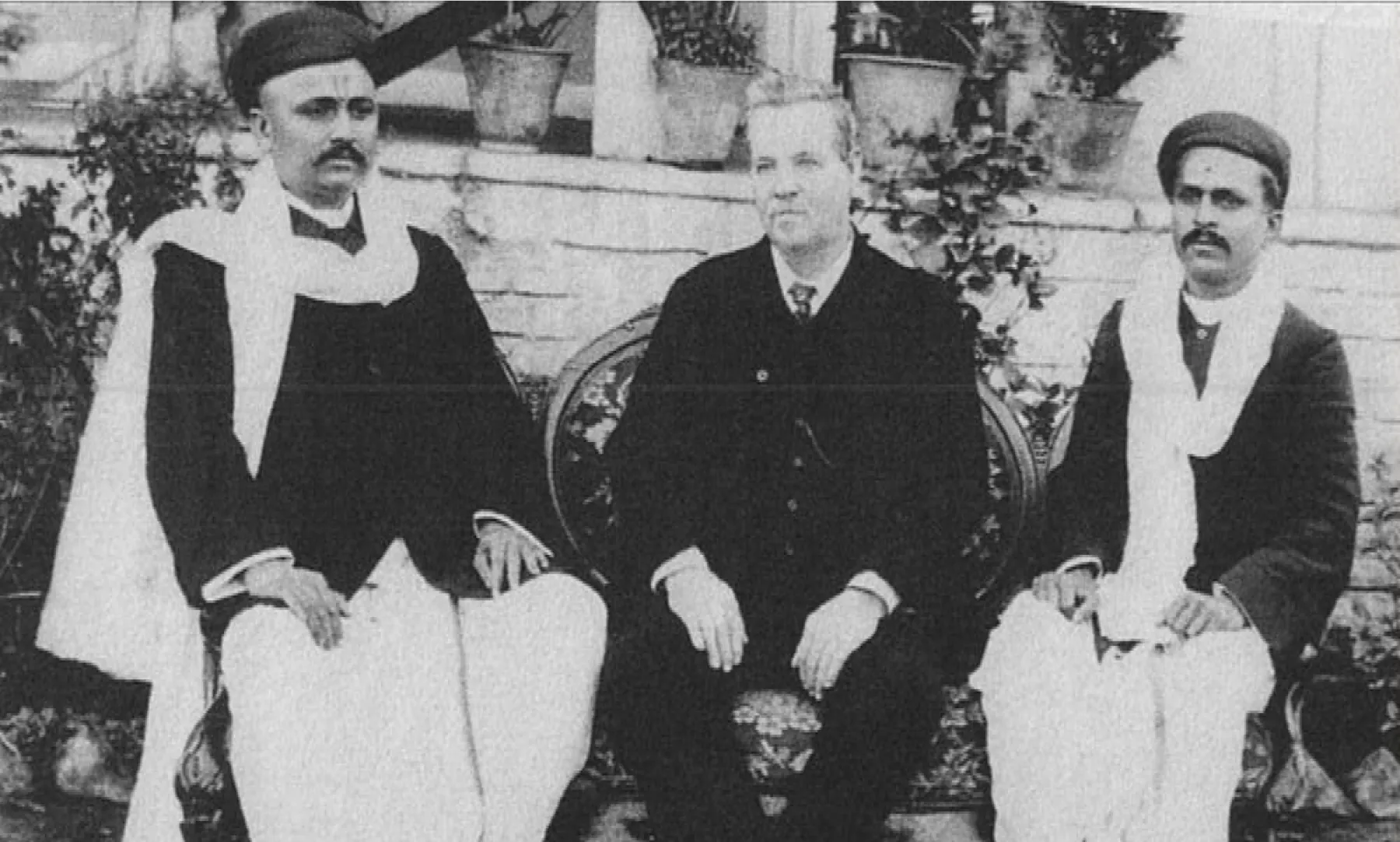
Foundations - archival photograph
1905

Mafatlal Chandulal & Co. founded

Mafatlal Gagalbhai, weaver Chandulal Mahadevia and mill manager Arthur Shorrock revive a defunct mill as The Shorrock Mill. It is the founding moment of the enterprise and the start of the 1st generation’s leadership.
1912–16

Mills across Nadiad, Surat and Mumbai

A second mill in Nadiad becomes The New Shorrock Mill. By 1916 the group holds five mills spanning Nadiad, Surat and Bombay.

Building the House

1930s – 1947
1931–40

The Mafatlal Fine Spinning & Mfg. Co. Ltd.

Mafatlal Gagalbhai founds his own company in Navsari, soon adding two Bombay units and a Jute Mill.

1940s

Arvind Mafatlal joins the business

Grandson of the founder, Arvind Mafatlal joins as the 3rd generation and later leads the group as chairman for decades.

Independent India

1947 – 1960
1950s

Power looms and modern machinery

State of the art machinery is installed, significantly lifting production capacity as the group scales for a growing nation.

1957

Indian Dyes of Industries founded

MIL founds IDI, the first Indian company to produce synthetic dyes, and imports the RUTI machine from Switzerland for yarn to fabric production.

Diversification

1961 – 1969
Diversification - archival photograph
1961

NOCIL is founded

National Organic Chemical Industries Ltd. brings naphtha based petrochemicals to India, a landmark of Arvind Mafatlal’s diversification drive.

1965

N.M. College of Agriculture

Mafatlal philanthropy establishes the college in Navsari, the first of several lasting institutions the group builds for the community.

1970

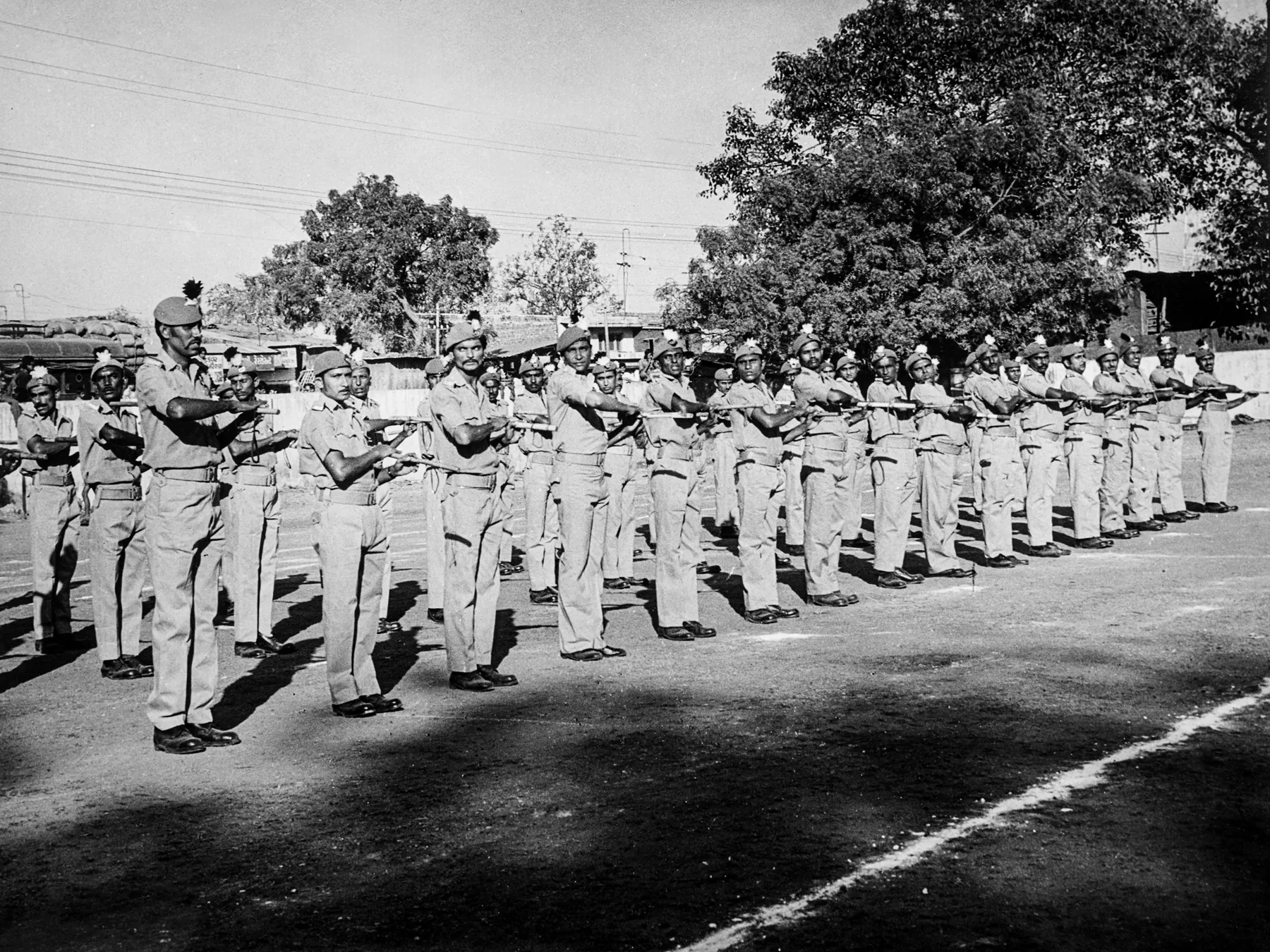
Homeguard Contingent

Mill workers volunteer for the civic Home Guard, extending Mafatlal’s culture of service beyond the factory floor.

Headwinds and Recovery

1970s – 1980s
Headwinds and Recovery - archival photograph
1970–82

Nationalisation and the Bombay strike

Sick mill nationalisation brings units like India United Mills under the NTC, and the 1982 Bombay textile strike pressures every mill based house.

1972

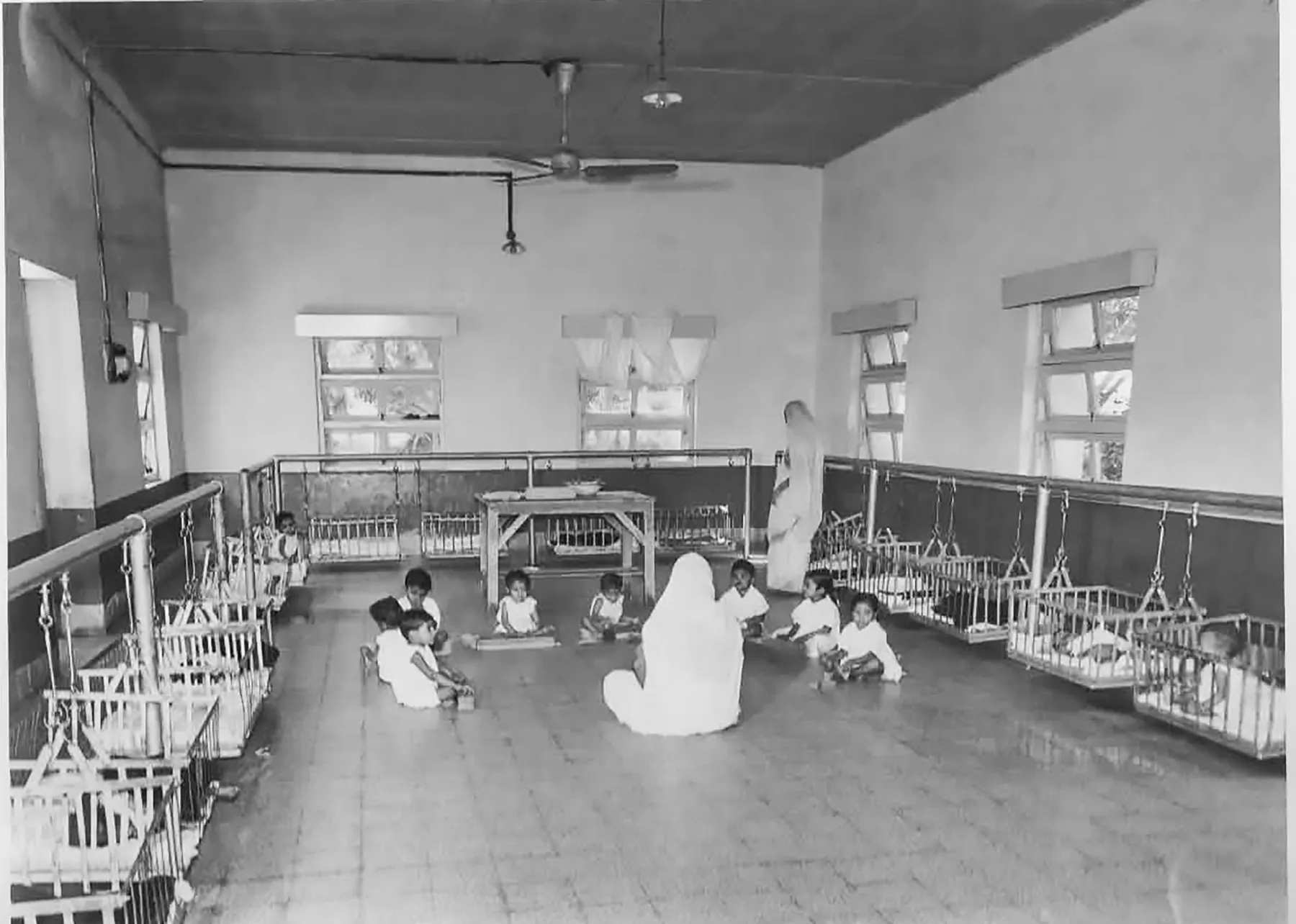
Women empowerment

A dedicated baby care room inside the mill lets women balance careers with motherhood, well ahead of its time.

1980s

Hrishikesh Mafatlal joins

Son of Arvind, the 4th generation steers MIL into advanced quality labs, defence grade fabrics, and the Shalini brand’s Rubia Voiles, India’s top selling 2x2 blouse fabric.

Reinvention

1990s – 2000s
Reinvention - archival photograph
1991

Liberalisation opens global trade

MIL’s exports reach 60+ countries. Joint ventures with Tootal in the UK and Burlington Industries in the US add Swiss-voile, garment, yarn-dyed and denim lines.

1992

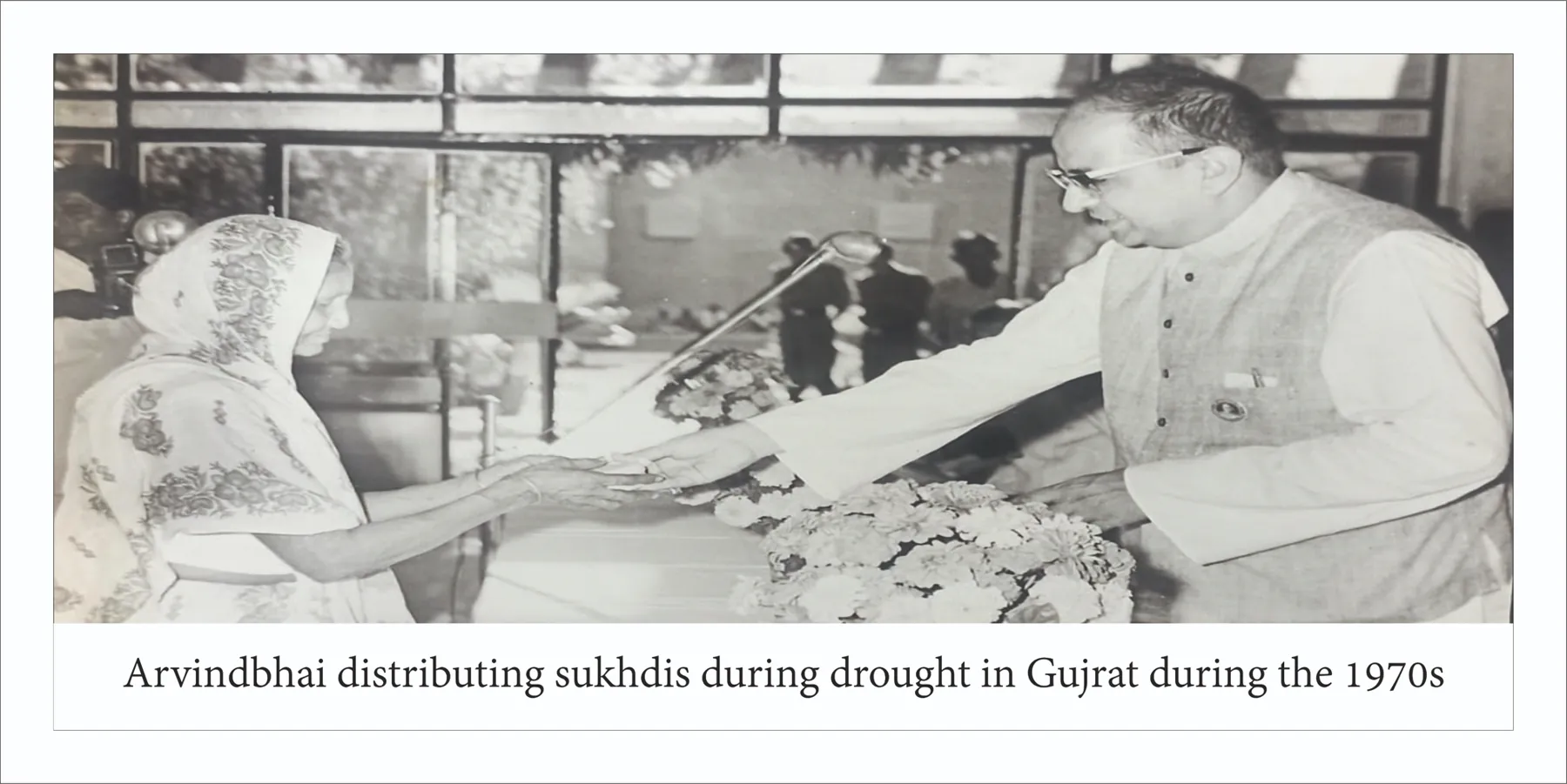
The Sukhdi Project

During the severe Maharashtra drought, MIL distributes a nutritious ghee based snack and milk to workers from kitchens set up inside the mills.

1997

Listed on the Bombay Stock Exchange

Mafatlal Industries is officially listed, a landmark in its evolution into a major, publicly traded industrial force.

Revival

2010s – Present
Revival - archival photograph
2010s

Mill-land value funds revival

Monetisation of valuable mill land funds a renewed focus on textiles and heritage fabric brands.

Recent years

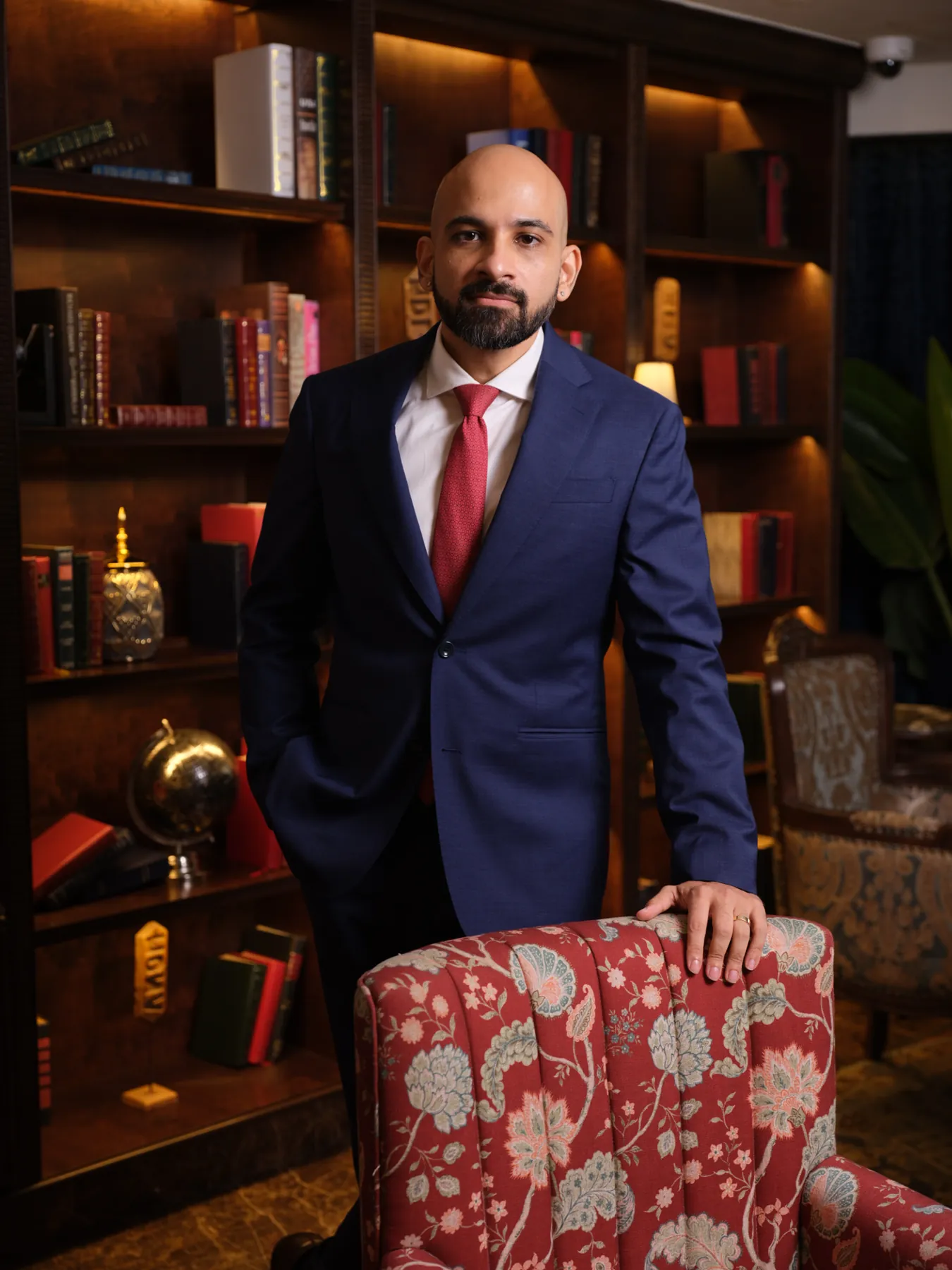
Priyavrata Mafatlal joins

The 5th generation extends the family into new sectors: Get Set Learn for education and Vrata Tech for technology, while the heritage fabric business continues.

Today

A story still being written

Mafatlal Industries continues as one of India’s oldest surviving textile brands, five generations strong.

Build something that
outlasts you

Join a team building India’s textile future for over 120 years. At Mafatlal, careers are chapters in a legacy.

Enquire with Mafatlal

Share a few details and the right Mafatlal team will get back to you within 2 business days.